
Quick Answer: Most homes need a full window replacement every 15 to 30 years, depending on the material and how well the windows were installed. If you notice drafts, foggy glass, stuck sashes, or a jump in your heating bill across several windows at once, that is usually a sign to replace them all together instead of one at a time.
Windows are one of those parts of a house that homeowners tend to ignore until something goes wrong. A stuck sash here, a drafty corner there, and before long you realize the problem is not one bad window. It is every window in the house aging out at roughly the same time.
That is actually common. Most homes are built with windows installed in the same era, using the same materials, so they tend to fail on a similar timeline. The question is not just “do I need new windows,” it is “should I replace them all now or wait.” This guide walks through the signs, the costs, and how to decide what makes sense for your home.
How Long Do Windows Actually Last?
Windows typically last between 15 and 30 years, though the exact number depends heavily on material and climate. Vinyl windows tend to hold up for 20 to 40 years with low maintenance, while wood windows can last 20 years or more but need regular upkeep to avoid rot.
Here is a rough breakdown by material:
| Material | Typical Lifespan | Maintenance Level |
| Vinyl | 20 to 40 years | Low |
| Wood | 20+ years | High (needs painting, sealing) |
| Aluminum | 15 to 20 years | Moderate |
| Fiberglass | 30 to 40 years | Low |
If your home still has its original windows and it was built more than two decades ago, it is worth a closer look even if nothing seems obviously broken yet.
What Are the Warning Signs You Need New Windows?

The clearest signs are drafts, fogging between panes, high energy bills, and windows that stick or refuse to close all the way. If you spot two or more of these across multiple windows, replacement is usually more cost effective than continued repairs.
Drafts and Cold Spots
If you can feel a breeze near a closed window, the seals or weatherstripping have likely failed. This is one of the most common complaints we hear from homeowners in New England, where winter temperature swings put real stress on window frames. In practice, a drafty window forces your HVAC system to work harder just to hold a steady temperature, which shows up on your utility bill long before you notice the draft itself.
Foggy or Cloudy Glass
Double and triple pane windows use a sealed gas layer between the panes for insulation. When that seal breaks, moisture gets trapped and the glass looks permanently foggy. There is no fixing this without replacing the glass unit, and once one window fails this way, others installed at the same time are usually not far behind.
Rising Energy Bills
If your heating or cooling costs have crept up without an obvious explanation, aging windows are a common culprit. Older single pane windows and even early double pane units lose their insulating value over time as seals degrade and frames shift slightly.
Windows That Won’t Open, Close, or Lock
Painted shut sashes, swollen wood frames, and broken hardware are not just annoying. They are also a safety issue, since stuck windows can block an exit route during an emergency.
Visible Damage
Cracked glass, rotting frames, and peeling finishes point to structural problems that will only get worse with time and moisture exposure.
Outside Noise and Allergies
If street noise suddenly feels louder indoors, or seasonal allergies seem to flare up more than they used to, weakened seals may be letting in more air and sound than the window was designed to.
Should You Replace All Your Windows at Once or One at a Time?
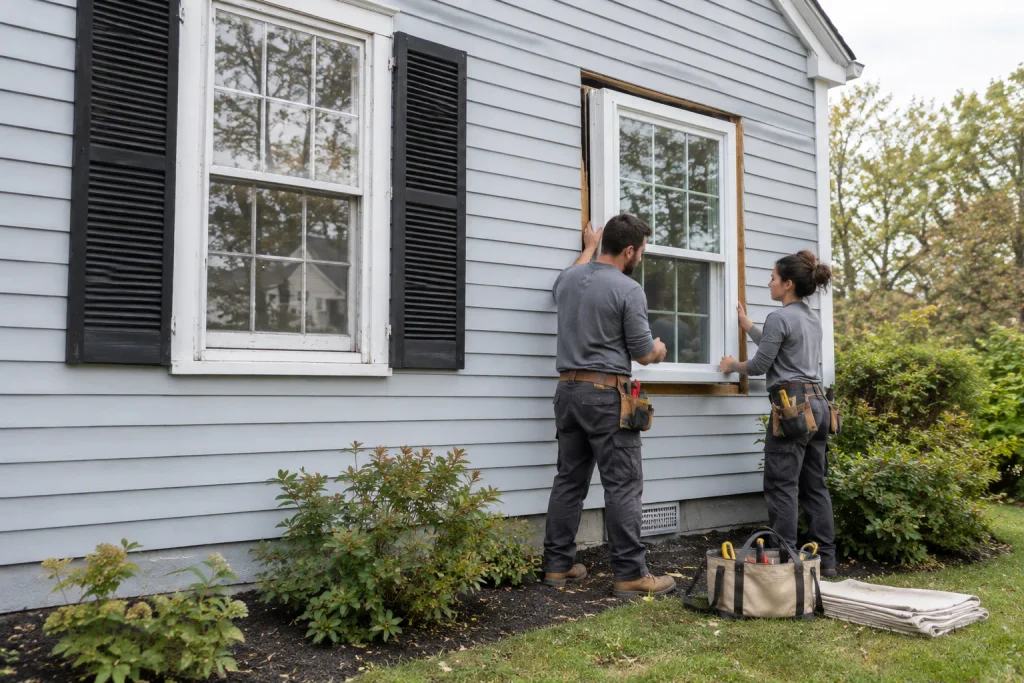
Replacing all your windows in a single project usually costs less per window and gets you a consistent look and performance across the house, while replacing them one at a time spreads out the cost but leaves you with mismatched efficiency for years.
Here is how the two approaches compare:
Full replacement, all at once:
- Lower per-unit installation cost since labor and equipment are shared across the job
- Consistent energy performance throughout the home
- One disruption period instead of several
- Easier to budget with a single upfront number
Replacing windows gradually:
- Spreads cost over multiple years
- Useful if only certain rooms show problems
- Can lead to years of uneven insulation between old and new windows
- Multiple smaller projects can add up to more in total labor costs
In our experience working on homes across the Boston area, a full replacement tends to make the most sense once three or more windows are showing the same failure signs, since at that point you are paying for repeat service calls on a problem that will not stop recurring.
If you are already planning a larger renovation, such as an addition or updating your home’s layout through new construction work, that is often the most efficient time to handle windows for the whole house in one pass.
What Does It Cost to Replace All the Windows in a House?

Window replacement cost depends on the size, material, and style of each window, and a full-home replacement scales with how many windows the house has. Repairs tend to run less than replacement, which is why homeowners often start there, only to find that repeated repair costs add up faster than a full replacement would have.Factors that move the price up or down include:
- Window material (vinyl is typically the most budget friendly, wood and fiberglass cost more)
- Size and number of window openings
- Whether the project is a like-for-like replacement or requires resizing the opening
- Energy efficiency features like low-E glass and gas fills
- Local labor rates and permit requirements
Because every home is different, a walkthrough from a contractor familiar with your area’s building codes and climate is the most reliable way to get an accurate number. You can see examples of past renovation work in our project gallery to get a sense of scope and finish quality.
Does Window Replacement Actually Pay Off?
Yes, in most cases. New windows improve energy efficiency, reduce noise, boost curb appeal, and protect the home from further moisture damage. Beyond comfort, updated windows are consistently one of the renovation projects that adds real value at resale, since buyers notice drafts and foggy glass just as quickly as homeowners do.
That said, it is worth being honest about the trade-offs. Full replacement is a real investment, and if only one or two windows in the house are failing while the rest are performing fine, targeted repairs may be the smarter short-term move. A contractor who has handled a range of kitchen and bathroom remodeling projects can usually spot during a visit whether a partial fix or a full replacement fits your situation better.
Frequently Asked Questions
How do I know if I need one window fixed or the whole house replaced?
If the problem (drafts, fogging, sticking) shows up in just one or two windows, a repair or single replacement is usually enough. If it is happening across several windows installed around the same time, they are likely reaching the end of their life together.
What time of year is best to replace windows?
Window replacement can happen in most seasons, though many homeowners prefer late spring through early fall when weather is milder and openings can stay exposed briefly without major temperature swings indoors.
Can I replace windows myself to save money?
Window installation involves precise measurements, proper flashing, and sealing to prevent leaks and drafts. A poor DIY install can cause water damage that costs far more to fix than professional installation would have.
Will new windows lower my energy bill?
Most homeowners see a noticeable drop in heating and cooling costs after replacing old, drafty windows, though the exact savings depend on your current windows’ condition and your local climate.
Do I need a permit to replace windows?
In many Massachusetts towns, yes, especially if the new opening size differs from the original. A local contractor familiar with your town’s permitting process can confirm what applies to your project.
Final Thoughts
Windows rarely fail all at once, but they do tend to age together. Watching for drafts, foggy glass, rising energy bills, and stuck sashes across multiple windows is the clearest signal that it is time to plan a full replacement rather than another round of repairs.
If you are weighing your options, our team has spent more than two decades helping homeowners across the Boston area with renovation projects of every size. Learn more about our team and experience, browse our full range of remodeling and construction services, and when you are ready, request a quote to talk through what your home actually needs.