If you own a home anywhere from Waltham to the North Shore, you already know Massachusetts bathrooms come with their own set of headaches. Old plaster walls, tight footprints, harsh winters, and humid summers all shape what actually works here. The good news is that 2026’s biggest bathroom trends line up well with New England living, favoring comfort, durability, and finishes that hold up to real weather rather than just looking good on a mood board.
This guide walks through the design trends, materials, costs, and permitting details that matter most for a bathroom remodel in Massachusetts this year, along with a few things HouseCraft has learned from working on bathrooms across Greater Boston.
What Bathroom Design Trends Are Shaping Massachusetts Homes in 2026?
The biggest shift this year is that bathrooms are being treated less like a purely functional room and more like a small retreat. Homeowners want a space that feels calm at 6 a.m. and relaxing at 9 p.m., not just a place to brush your teeth.
Spa Inspired Showers and Soaking Tubs
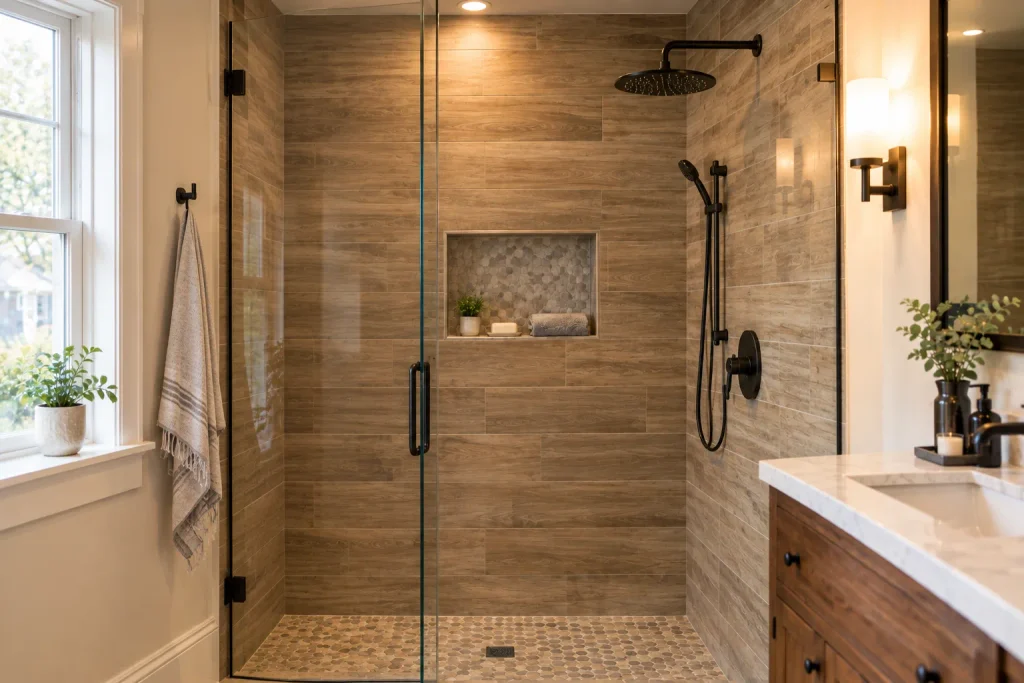
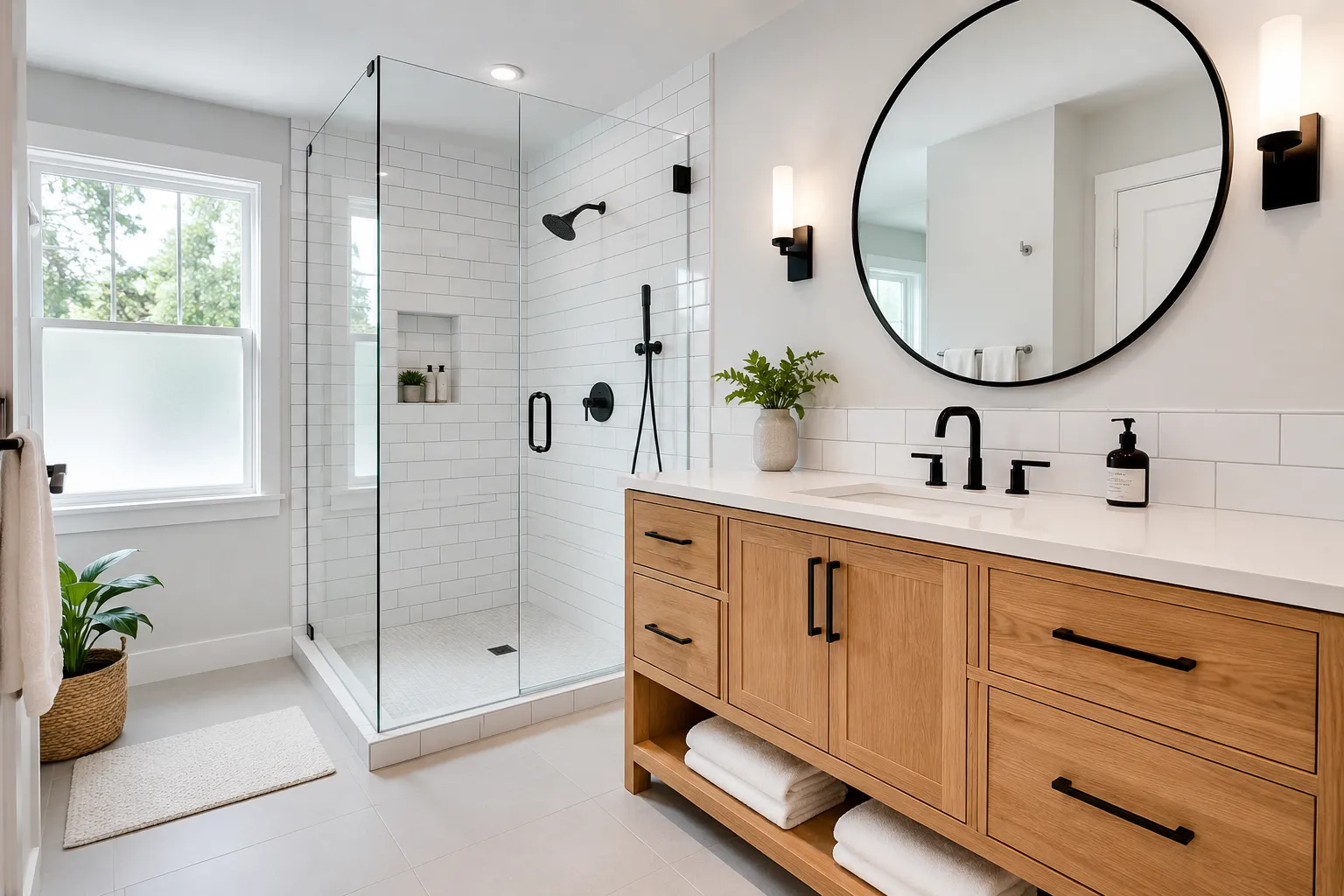
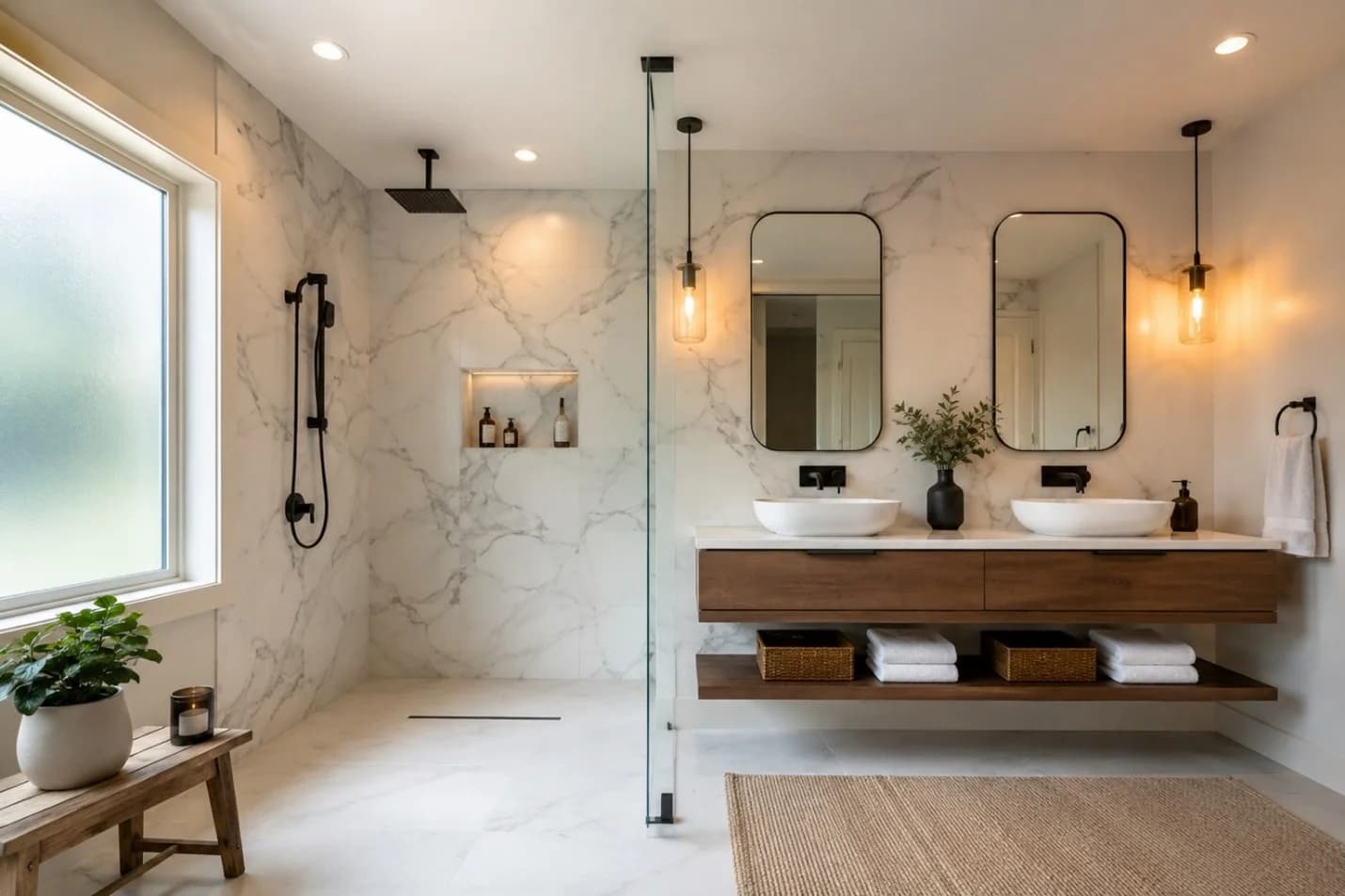
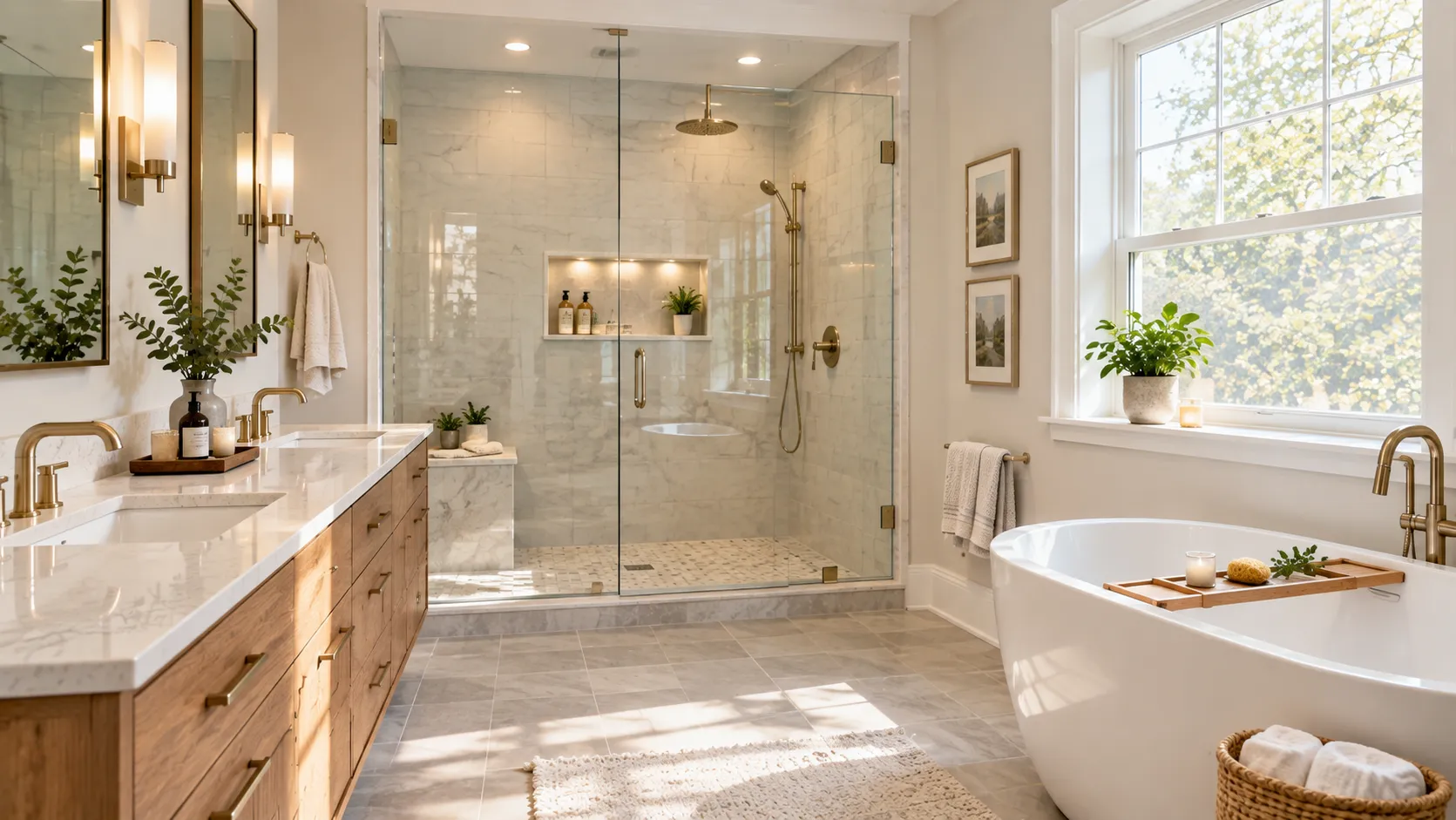
Walk in showers with frameless glass are replacing the combo tub and shower units found in a lot of older Massachusetts homes. Common upgrades include:
- Rain shower heads paired with a handheld sprayer
- Built in niches and benches for storage and seating
- Heated floors, which are especially popular given New England winters
- Freestanding soaking tubs in primary bathrooms with enough square footage
Warm, Natural Materials
All white, cold looking bathrooms are giving way to warmer palettes. Think sage green, warm taupe, and wood look vanities paired with matte black or brushed brass fixtures. Matte finish porcelain tile is also gaining ground because it hides water spots and grips better underfoot than glossy tile, which matters in a climate with humid summers and icy boots in winter.
Smart Storage and Layout Changes
Floating vanities, built in medicine cabinets, and custom shelving are showing up more often, partly because many Massachusetts homes, especially in Boston, Newton, and Somerville, simply do not have extra square footage to spare. Making a small bathroom feel organized often matters more than making it bigger.
Which Materials Hold Up Best in a New England Bathroom?

Massachusetts weather is not gentle. Summers get humid, winters bring freeze and thaw cycles, and older homes often have less than ideal ventilation. That makes material choice more than a style decision.
- Large format porcelain tile resists moisture and staining better than natural stone in high humidity bathrooms
- Quartz countertops handle temperature swings and do not need regular sealing like some natural stone options
- Moisture resistant backer board and proper venting prevent the mold issues common in older, poorly ventilated MA bathrooms
- Engineered wood look vinyl or tile flooring gives the warmth of wood without the water damage risk
In practice, the bathrooms that hold up best five years later are usually the ones where the contractor spent as much attention on the exhaust fan and waterproofing membrane as on the tile pattern. It is not glamorous, but it is the difference between a bathroom that ages well and one that needs mold remediation.
How Much Does a Bathroom Remodel Cost in Massachusetts in 2026?
Costs vary a lot depending on bathroom size, scope, and finish level. Here is a general breakdown homeowners can expect across the state this year.
A few things push costs higher in Massachusetts specifically: skilled labor rates in the Boston metro area run above the national average, older homes often need extra plumbing or electrical work to meet current code, and permit fees vary by municipality. On the flip side, a well planned mid range remodel typically recoups a solid share of its cost at resale, which is part of why bathrooms remain one of the most requested projects for Massachusetts homeowners.
What Permits Do You Need for a Bathroom Remodel in Massachusetts?
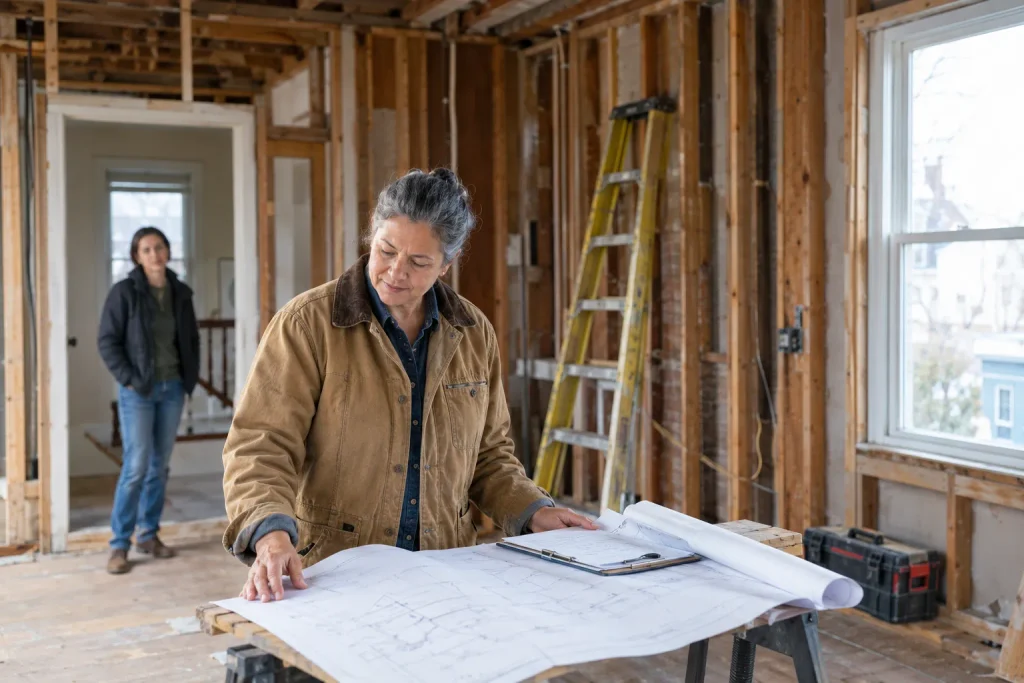
Most bathroom projects that go beyond a cosmetic refresh will need at least one permit under the Massachusetts State Building Code.
- A building permit is typically required if you are removing or moving walls
- Plumbing permits are required for moving fixtures or running new supply and drain lines
- Electrical permits are needed for new lighting, outlets, or exhaust fan circuits
- Fees generally range from around $200 to over $1,000 depending on your city or town and the scope of work
For homeowners tackling water efficient fixtures, the EPA WaterSense program is a useful reference for choosing low flow toilets and shower heads that still perform well, which can also help with utility costs over time.
A licensed general contractor will normally pull these permits on your behalf and coordinate inspections, which saves you from having to track down each department separately.
How Do Older Massachusetts Homes Affect a Bathroom Remodel?
A large share of the housing stock in Greater Boston, from Victorians to colonials to triple deckers, was built well before modern plumbing and electrical codes existed. That changes how a remodel gets planned.
- Plaster walls need different demolition and patching techniques than modern drywall
- Older cast iron plumbing may need partial or full replacement during a remodel
- Layouts were often built around a single small window, which limits ventilation options
- Uneven floors and non standard room dimensions can affect tile layout and fixture placement
None of this means an old house cannot get a modern bathroom. It just means the contractor needs real experience with historic homes, not just new construction. Seeing a company’s past bathroom remodeling gallery is one of the better ways to judge whether they have handled projects similar to yours.
Frequently Asked Questions
Is a full bathroom remodel worth it in Massachusetts right now?
For most homeowners, yes. Bathrooms remain one of the highest recouped renovation projects, and updated bathrooms are a common request from buyers in the Massachusetts market, particularly in Greater Boston.
How long does a typical bathroom remodel take?
A standard full bathroom remodel usually takes a few weeks from demolition to final inspection, though older homes with plumbing or structural surprises can extend that timeline.
Do I need a permit to update just the vanity and paint?
A purely cosmetic update with no plumbing, electrical, or wall changes generally does not require a permit, but it is worth confirming with your local building department since rules vary by town.
What is the most requested bathroom feature in Massachusetts this year?
Walk in showers with frameless glass are the most common request, largely because they replace older tub and shower combinations while improving accessibility for aging in place.
Should I choose natural stone or porcelain tile for a Massachusetts bathroom?
Porcelain tile is generally the safer choice for New England humidity since it resists moisture and staining with less maintenance than most natural stone options.
Bringing It All Together
2026’s bathroom trends are a good match for how people actually live in Massachusetts: warm materials, better storage, spa style comfort, and finishes built to handle real weather. Budgeting realistically and understanding local permit requirements up front will save you headaches once the project starts. If you are planning a bathroom remodel in Waltham, Newton, or anywhere in Greater Boston, you can learn more about HouseCraft’s bathroom remodeling services, browse recent projects, or request a quote to talk through your space and budget.